
Sanofi’s Eczema Drug Amlitelimab: Mixed Phase 3 Results and What’s Next for Dermatology
Sanofi is pressing ahead with global filings for its experimental eczema medicine amlitelimab, despite a mixed reading from Phase 3 clinical trials. This investigational therapy targets moderate-to-severe atopic dermatitis, an inflammatory skin disease that causes intense itching and widespread rash. (Biopharma Dive)
What the Data Shows
- In one Phase 3 study, amlitelimab met its main goals by significantly improving skin clearance and reducing disease severity compared with placebo.
- However, a second trial did not reach statistical significance across all endpoints, highlighting variability in response and future challenges in regulatory review.
- There was also a rare safety signal observed in a separate safety study - something regulators may scrutinise closely. (Biopharma Dive)
Sanofi’s Eczema Drug Amlitelimab: Mixed Phase 3 Results and What’s Next for Dermatology
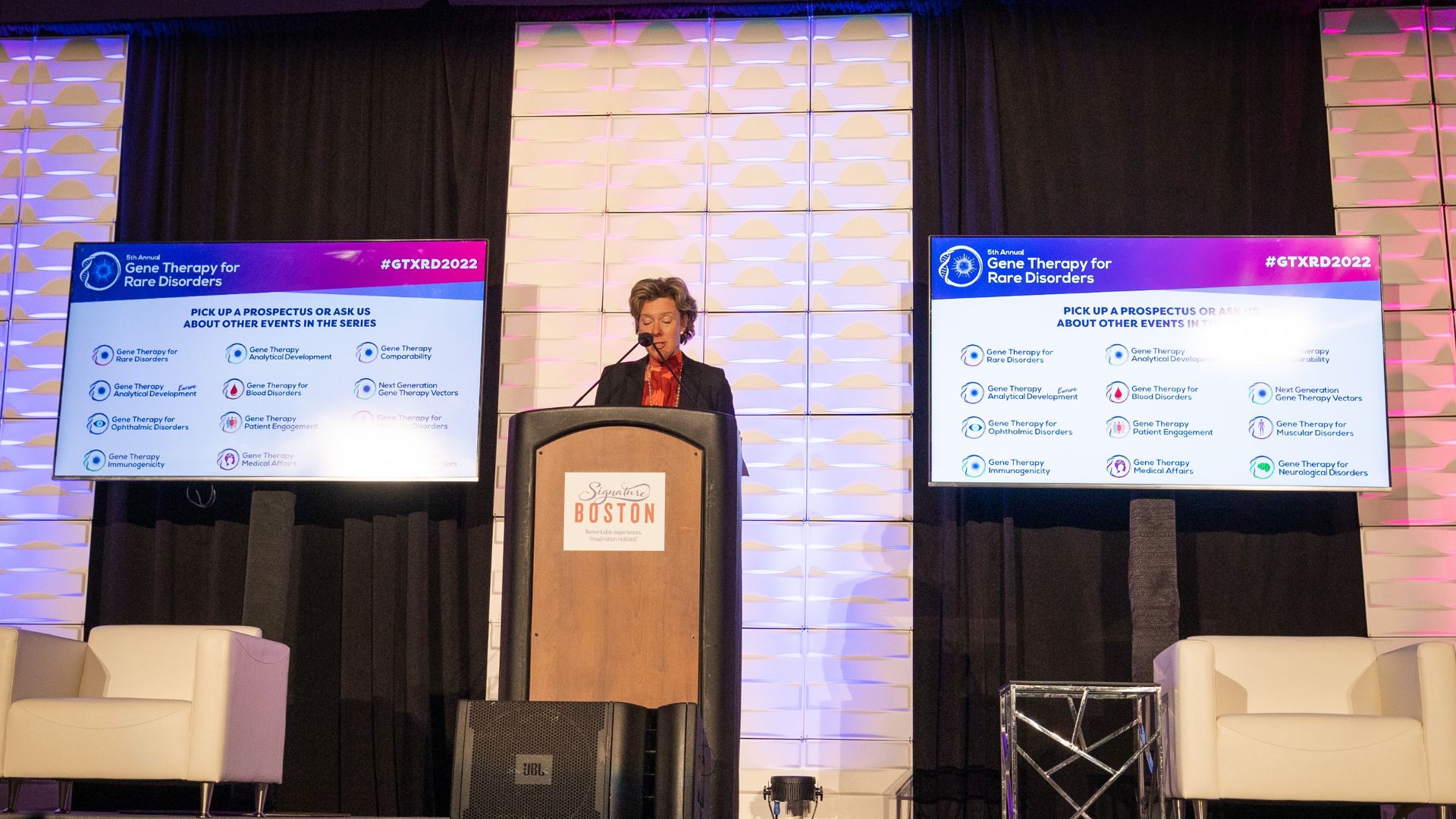
As dermatology drug development evolves, industry leaders are thinking broader than just one disease or one endpoint. One such voice is Simmi Wiggins, Global Director of Medical Affairs for Dermatology Indications at Sanofi. She will be speaking at the 7th Dermatology Drug Development Summit Europe this May, a key annual event bringing together experts to discuss strategies for next-generation therapies.
Simmi’s work focuses on:
- Disease modification and systemic immune mechanisms, moving beyond symptom control to therapies that address the root causes of inflammatory skin disorders.
- Clinical design and real-world data synthesis, including how AI can help streamline development and generate insights from large datasets.
- Regulatory strategy across global markets, particularly for conditions driven by complex immune pathways.
Her perspective underscores a broader trend: as new drugs like amlitelimab make their way through regulatory pathways, the industry is refining how it defines meaningful efficacy, prioritises safety, and designs trials that can withstand evolving health authority expectations.

What This Means for Patients and R&D
While amlitelimab’s results reflect both promise and uncertainty, the effort to expand treatment options for eczema - especially those with less frequent dosing or novel mechanisms - highlights a dynamic moment in dermatology. With thought leaders like Simmi Wiggins helping shape clinical strategy and evidence generation, the field’s next wave of therapies may offer more tailored, effective relief for patients with chronic skin inflammation.

Explore the Agenda to Discover the Clinical & Access Priorities Shaping Dermatology R&D in 2026
Explore a focused agenda of late-stage case studies, interactive workshops and peer-led discussions tackling clinical design, regulatory access, reimbursement and differentiated dermatology modalities.
Partner to Position Your Solutions at the Centre of Active Dermatology Pipelines
Partner with the summit to showcase your capabilities to senior pharma and biotech teams actively seeking support across biomarkers, imaging, clinical trials, manufacturing and formulation.

Join Biopharma Experts to Connect with the Decision-Makers Driving Dermatology Development Forward
Join 60+ senior leaders from pharma and biotech for high-value networking, candid peer exchange and relationship-building across late-stage development, access and launch in Europe.