
New Hope in Alopecia Areata: Rezpegaldesleukin Shows Promise Despite Mixed Phase 2 Results
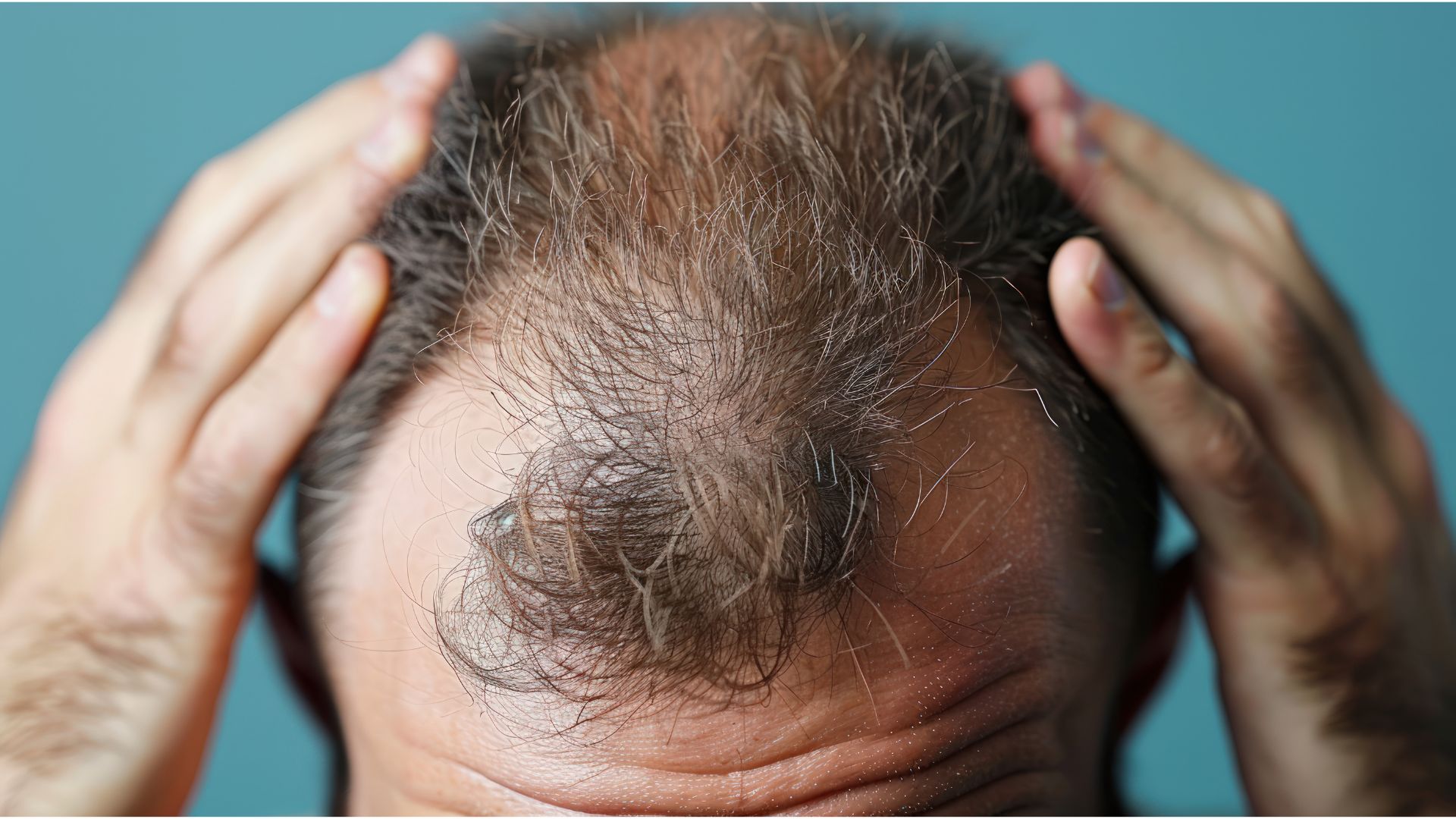
Autoimmune hair loss — alopecia areata — affects millions worldwide and has few durable treatment options. Recently, Nektar Therapeutics reported results from its Phase 2b study of rezpegaldesleukin, an investigational biologic designed to restore immune balance by expanding regulatory T cells.
While the trial narrowly missed its primary statistical endpoint, the data still signaled meaningful hair regrowth and proof-of-concept for the therapy. In the full analysis, patients receiving rezpegaldesleukin showed about a 28-30% average reduction in hair loss severity (SALT score) versus roughly 11% with placebo — and when four ineligible patients were excluded from analysis, the treatment groups reached statistical significance.
Safety results were encouraging, with mostly mild-to-moderate side effects and few discontinuations — a profile that differentiates rezpegaldesleukin from some other immune suppressive approaches in development.
Despite the statistical miss, Nektar plans to advance rezpegaldesleukin into Phase 3 testing next year, backed by its Fast Track designation from the U.S. Food and Drug Administration in severe alopecia areata.
Expert View: Designing Robust Dermatology Trials
This trial underscores how challenging it can be to measure subtle biological effects in immune-mediated skin diseases. At the upcoming 7th Dermatology Drug Development Summit Europe, Sohail Chaudhry will explore how clinical design and evidence generation can help bridge gaps between early signals and late-stage success - particularly in complex conditions like alopecia areata.
Sohail’s work focuses on:
- Strengthening endpoints and measurement systems in dermatology studies to better capture meaningful patient outcomes.
- Leveraging adaptive trial designs that can accommodate emerging data or variability in response.
- Integrating real-world data and biomarkers to deepen insights and align outcomes with patient experience — a key focus for next-generation autoimmune and inflammatory therapy development.
His insights highlight a core lesson from the rezpegaldesleukin programme: promising clinical signals need to be matched with rigorous trial frameworks to maximise regulatory and clinical confidence.
What This Means for Patients and R&D
Although rezpegaldesleukin’s Phase 2 results were not an unequivocal statistical win, the evidence of hair regrowth and good safety profile offer encouragement for patients and clinicians seeking new alopecia solutions. Combined with expert guidance on improving trial outcomes, this research could help shape more effective development pathways for future therapies.
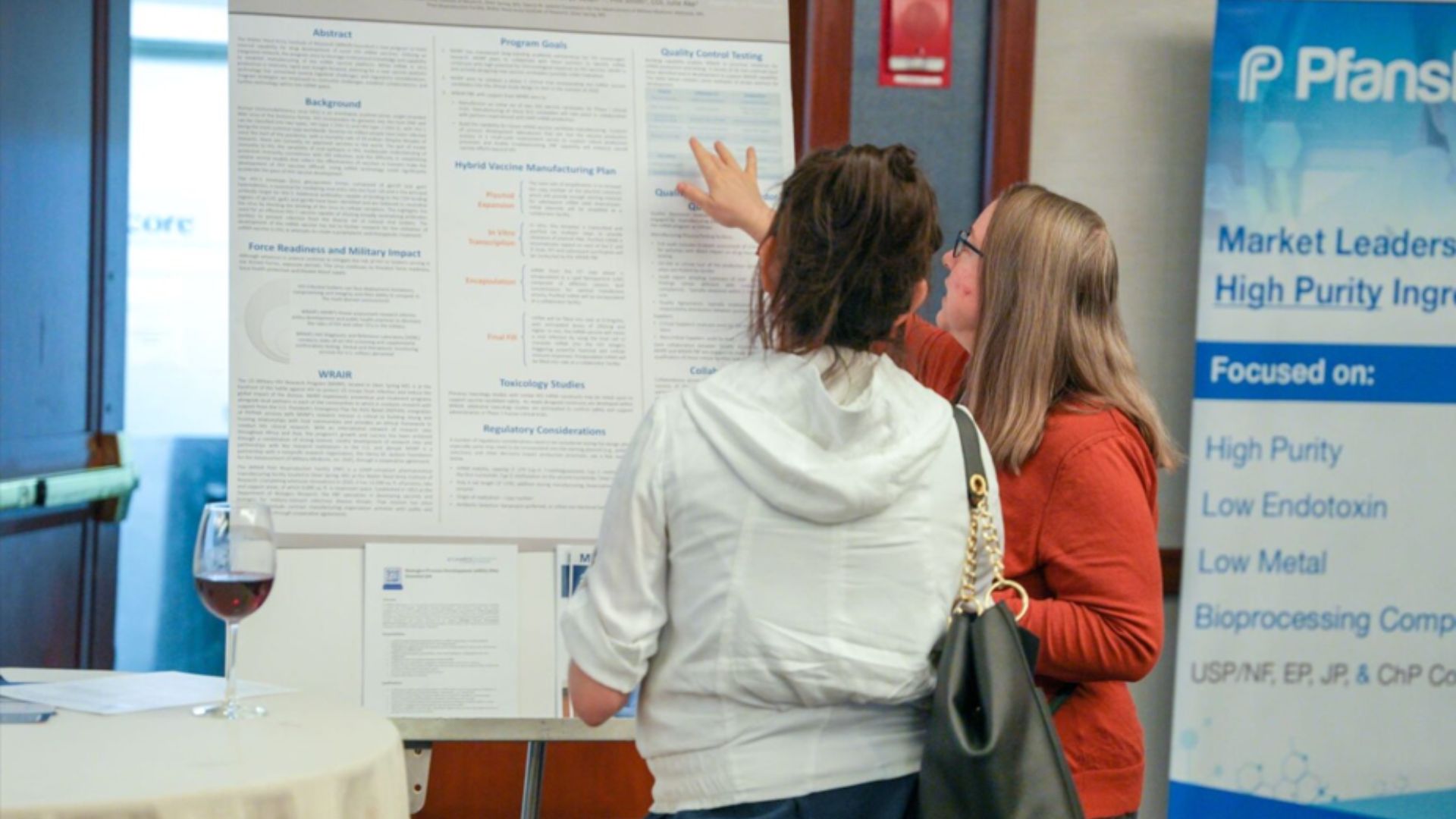
Explore the Agenda to Discover the Clinical & Access Priorities Shaping Dermatology R&D in 2026
Explore a focused agenda of late-stage case studies, interactive workshops and peer-led discussions tackling clinical design, regulatory access, reimbursement and differentiated dermatology modalities.
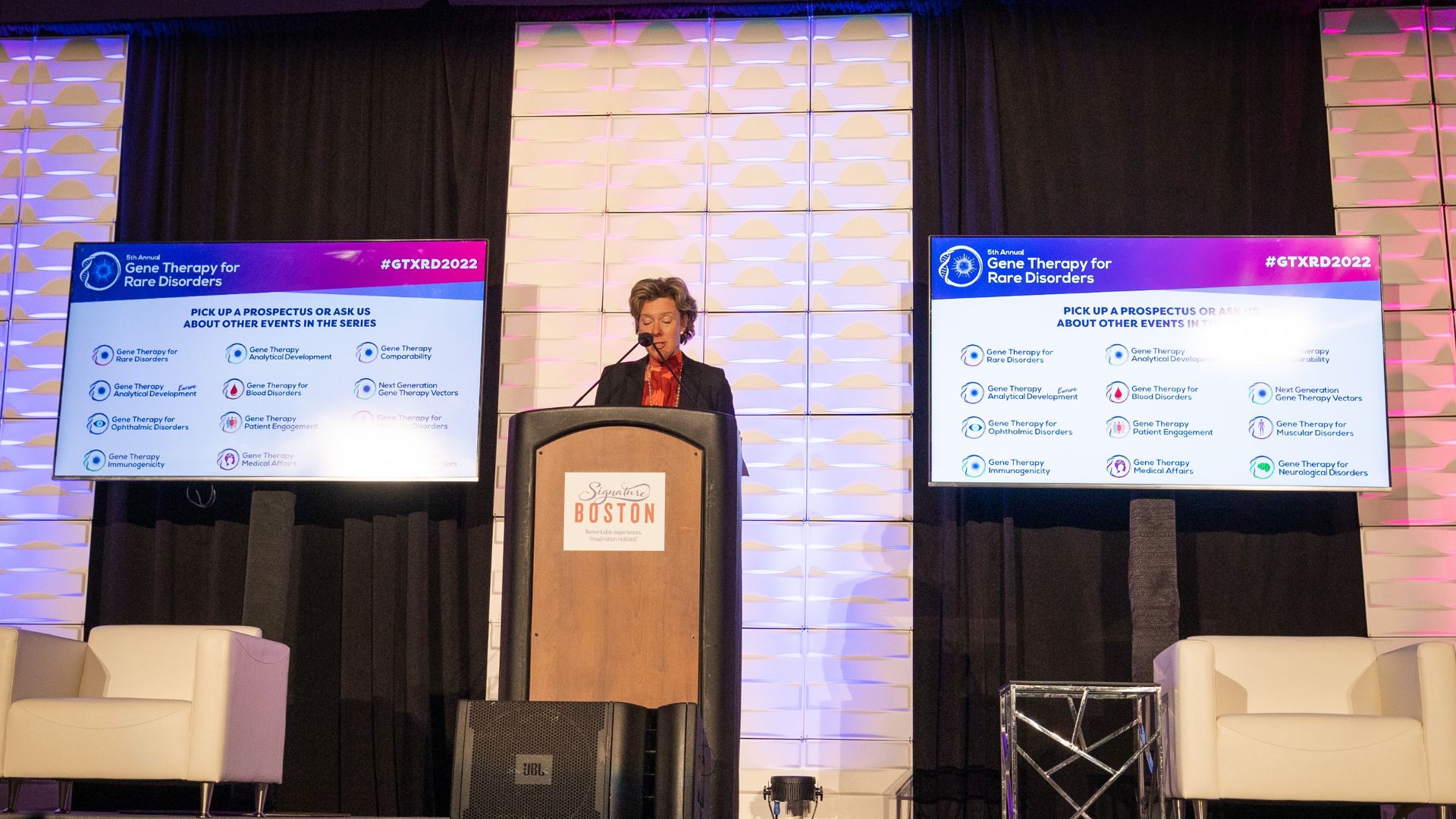
Partner to Position Your Solutions at the Centre of Active Dermatology Pipelines
Partner with the summit to showcase your capabilities to senior pharma and biotech teams actively seeking support across biomarkers, imaging, clinical trials, manufacturing and formulation.
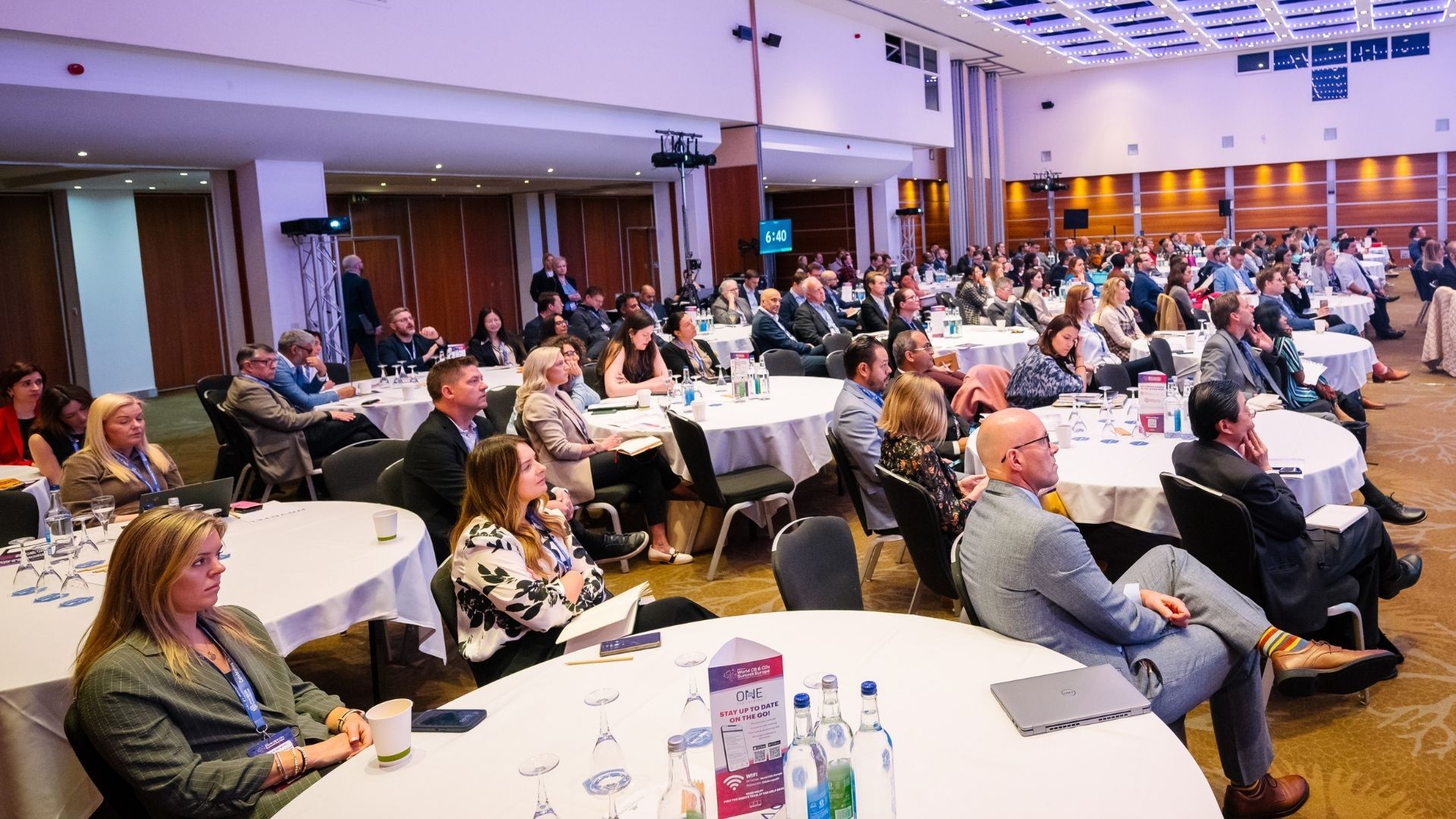
Join Biopharma Experts to Connect with the Decision-Makers Driving Dermatology Development Forward
Join 60+ senior leaders from pharma and biotech for high-value networking, candid peer exchange and relationship-building across late-stage development, access and launch in Europe.